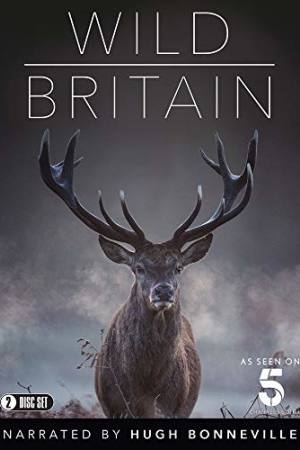
Wild Britain - Season 2020 Episode 8
Seasons & Episodes
Episode Overview
Britain's towns and cities are our fastest growing landscape, now covering around 7% of the country. Wildlife might seem unwelcome, but our concrete jungles are a land of opportunity. Hedgehogs have seen our buildings and roads grow up around them. They love the untidy corners and the creepy-crawlies that thrive in an unkempt garden. But they've declined from 30 million to 1 million in 60 years. Not every creature is thriving in our urban world. But some have found an opportunity. Urban Foxes didn't exist until the 1930s, but now inhabit 90% of our towns and cities. Low light cameras reveal their antics in Bristol – where there are a whopping 40 per square mile. Maybe not surprising – 10% of Bristolians say they have fed them in the last year. 13,000 species of animal and plant have pioneered our concrete jungles. Many are barely noticed. Great Crested Newts enjoy an elaborate courtship in larger ponds. In a slow-speed chase, Slow Worms (really legless lizards) are revealed to be a useful ally in the War on Slugs, helping to control the 20,000 slugs found in an average British garden. There are newcomers too, like the Bee Wolf – neither bee nor wolf, but a predatory wasp that hunts honeybees in our flower-filled borders and squeezes the nectar from their bellies. Our urban skies are a battlefield. Feral pigeons – domesticated from Rock Doves 10,000 years ago – fight it out with urban gulls. The latter have trebled in number in the last 20 years. But there's a new kid on the block – Peregrine Falcons. Over 30 pairs now nest on London's tallest buildings. And there's been an explosion of exotic parakeets. Perhaps we shouldn't be surprised – our urban areas can be 10 degrees warmer than the surrounding countryside.
Episode Details
These TV shows may interest you





You recently viewed
Loading your recently viewed items...